Save Big This Year: How Energy Efficient Siding Can Slash Your Utility Bills in 2026

Save Big This Year: How Energy Efficient Siding Can Slash Your Utility Bills in 2026

Energy Efficient Siding

If you’ve been looking for ways to reduce your energy bills without sacrificing comfort or style, investing in energy efficient siding might be the solution you didn’t know you needed. Siding is more than just the exterior face of your home—it plays a crucial role in insulation, energy conservation, and long-term savings. With utility costs rising and homeowners increasingly prioritizing sustainable living, upgrading to energy-efficient siding has become one of the smartest home improvement decisions in 2026.

From improving insulation to selecting the right materials and maintaining peak performance, energy-efficient siding can transform your home into a cost-saving powerhouse. In this article, we’ll explore the top benefits, the best siding options, seasonal impacts on your energy bills, investment considerations, and essential maintenance tips. By the end, you’ll understand why this upgrade is more than cosmetic—it’s financial savvy.


How Energy Efficient Siding Improves Home Insulation and Cuts Heating Costs

One of the primary ways energy efficient siding saves homeowners money is through improved insulation. Siding acts as a protective barrier, reducing heat transfer between the interior and exterior of your home. During the colder months, poorly insulated walls allow warm air to escape, forcing your heating system to work harder and increasing energy bills. Energy-efficient siding helps retain heat, keeping your home warmer with less reliance on heaters and furnaces.

Modern insulated siding often includes layers of foam or other insulating materials that complement your home’s existing wall structure. These layers can significantly enhance the R-value—the measure of insulation efficiency—of your walls. Higher R-values directly correlate with better thermal performance, meaning your home stays warm longer while using less energy.

Additionally, energy efficient siding reduces drafts, one of the main culprits behind high heating costs. Gaps, cracks, and outdated siding can allow cold air to infiltrate, undermining even the best heating system. By replacing old siding with energy-efficient options, homeowners in 2026 can create a tighter, more controlled indoor environment.

It’s not just about money savings; improved insulation contributes to comfort and overall home value. Rooms stay warmer near exterior walls, uneven heating is minimized, and the need for supplemental heating sources diminishes. Over time, these benefits add up, reducing both monthly energy bills and the wear-and-tear on heating equipment.

In colder climates or coastal areas, where temperature fluctuations are common, investing in energy efficient siding can result in annual energy savings of 15–25% or more. Pairing the siding upgrade with energy-efficient windows and doors amplifies the effect, creating a comprehensive insulation strategy that protects your home year-round.


Top Energy Efficient Siding Materials That Maximize Savings in 2026

Selecting the right siding material is critical to maximizing energy efficiency and cost savings. Several high-performance materials have emerged as favorites in 2026, combining durability, aesthetic appeal, and thermal performance.

Vinyl siding with insulation backing is among the most popular options. This type of siding includes a foam core that enhances insulation and prevents thermal bridging, which occurs when heat bypasses the siding through gaps or framing. Vinyl is also low-maintenance, resistant to rot and pests, and comes in various colors and styles, making it a versatile choice for homeowners looking to combine energy efficiency with curb appeal.

Fiber cement siding is another standout. While slightly more expensive than vinyl, fiber cement offers excellent durability and moderate insulation properties. It resists fire, moisture, and termites, making it ideal for coastal or humid regions. When paired with additional insulating layers, fiber cement siding can rival vinyl in energy efficiency while offering a more traditional, upscale aesthetic.

Engineered wood siding provides both style and sustainability. Many engineered wood products are treated with protective coatings and reinforced with composite materials, improving their thermal performance. Homeowners appreciate the natural wood look without the extensive maintenance requirements of real wood.

Metal siding with insulated panels is gaining traction in modern and industrial-style homes. Aluminum or steel panels with insulating foam cores can reduce heat transfer significantly while offering sleek, contemporary aesthetics. Metal siding is particularly effective when installed with reflective coatings that reduce solar heat absorption, further lowering cooling costs in warmer climates.

Finally, homeowners can explore insulated vinyl shakes or lap siding that combines traditional design with superior energy performance. These materials are often eligible for energy-efficiency rebates or tax incentives, making them a smart financial choice in addition to their environmental benefits.

In 2026, choosing the right energy efficient siding material is as much about long-term savings as it is about aesthetics. Proper selection ensures maximum insulation, durability, and return on investment.


The Role of Energy Efficient Siding in Lowering Cooling Bills During Summer

Energy-efficient siding isn’t just for winter—its impact on cooling costs is equally impressive. During the summer months, homes absorb heat through exterior walls, causing air conditioning systems to work harder to maintain a comfortable temperature. Upgrading to energy efficient siding helps reflect heat and reduce thermal gain, keeping interiors cooler and lowering energy consumption.

Materials such as insulated vinyl, fiber cement, and reflective metal siding act as barriers that limit heat penetration. Some siding products include reflective coatings that deflect sunlight, further reducing the energy load on your HVAC system. These features are especially valuable in regions with long, hot summers, where cooling costs can account for a significant portion of annual utility expenses.

Additionally, energy-efficient siding reduces hot spots and uneven temperatures inside the home. By creating a consistent barrier across exterior walls, it prevents certain rooms from overheating while others remain cooler, enhancing overall comfort. A well-insulated and properly installed siding system minimizes the frequency and intensity of air conditioning use, translating into tangible savings.

Coupled with other energy-efficient measures such as ceiling fans, proper attic insulation, and programmable thermostats, energy efficient siding becomes a cornerstone of a holistic home cooling strategy. Over time, homeowners can see reductions in their summer energy bills ranging from 10–20%, depending on the material, installation quality, and local climate.

Beyond savings, energy-efficient siding contributes to environmental sustainability by lowering overall energy demand. Fewer cooling cycles mean reduced greenhouse gas emissions and a smaller carbon footprint, aligning with the growing trend of eco-conscious home improvements in 2026.


Cost vs. Benefits: Evaluating Energy Efficient Siding Investments for Your Home

Investing in energy efficient siding requires careful consideration of costs, benefits, and long-term savings. While initial installation can be significant, the payoff comes through reduced energy bills, enhanced home value, and increased durability.

Installation costs vary depending on the material, home size, and complexity of the project. Vinyl tends to be the most affordable option, while fiber cement and metal siding carry higher upfront costs but offer superior longevity and performance. Homeowners should calculate expected energy savings over time to determine ROI. On average, energy-efficient siding can reduce utility bills by 15–25%, which often offsets the investment within a few years.

Beyond energy savings, energy efficient siding enhances curb appeal and resale value. Modern materials and stylish designs make homes more attractive to buyers, and energy-efficient upgrades are increasingly sought-after features in the real estate market. In some cases, homeowners may qualify for rebates, tax incentives, or utility programs that further improve the financial outcome.

Another consideration is durability. Many energy-efficient siding options are resistant to weather damage, rot, and pests, meaning fewer repairs and maintenance costs over the long term. This factor alone can make siding upgrades financially sensible, even before accounting for energy savings.

Ultimately, the decision to install energy-efficient siding should balance upfront investment with anticipated energy savings, aesthetic improvements, and increased home value. Proper planning, professional installation, and material selection ensure that the benefits outweigh the costs, making this upgrade a wise choice for 2026 homeowners.


Maintenance Tips to Keep Your Energy Efficient Siding Performing at Its Best

To maximize the benefits of energy efficient siding, consistent maintenance is essential. Proper care ensures that insulation performance remains optimal, energy bills stay low, and the siding continues to protect your home effectively.

Regular cleaning is the first step. Vinyl, fiber cement, and metal siding can accumulate dirt, mold, and debris over time, which may reduce reflectivity or cause wear. Using a mild detergent and a soft brush or pressure washer keeps siding clean and visually appealing.

Inspect your siding at least twice a year for cracks, gaps, or loose panels. Even small imperfections can compromise insulation performance and lead to heat loss or moisture infiltration. Promptly addressing minor issues prevents more extensive damage that can affect energy efficiency.

Trimming vegetation and keeping gutters in good condition also protect siding performance. Overgrown shrubs or trees can trap moisture against the siding, accelerating deterioration. Proper drainage prevents water-related insulation issues, maintaining consistent energy savings.

Check for sealant and caulking integrity around windows, doors, and corners. Over time, these materials can degrade, creating gaps that allow air infiltration. Reapplying caulk or sealant ensures a tight barrier that complements your energy efficient siding.

Finally, follow manufacturer recommendations for repainting or refinishing (if applicable). Some siding materials benefit from periodic treatments that restore reflective coatings or protective finishes, preserving both aesthetic appeal and energy performance.

By following these maintenance practices, homeowners ensure that their energy-efficient siding continues to deliver maximum insulation, lower utility bills, and long-term value.


Conclusion: Save Energy, Save Money, and Upgrade Your Home

Energy-efficient siding is more than a cosmetic improvement—it’s a practical, cost-saving investment that pays dividends year-round. From improving insulation and lowering heating bills in winter to reducing cooling costs in summer, the benefits of energy efficient siding are clear. With the right materials, installation, and maintenance, homeowners can enjoy enhanced comfort, lower utility bills, and increased home value.

If you’re ready to take action and start saving, Call All Phase Custom Homes today at 252-503-3426 to get a free estimate on siding replacement. Upgrade your home with energy-efficient siding and start experiencing the benefits in 2026 and beyond.
All Phase Custom Homes

Top Kitchen Remodeling Ideas Transforming Homes in Morehead City, NC IN 2026

Top Kitchen Remodeling Ideas Transforming Homes in Morehead City, NC IN 2026

Top Kitchen Remodeling Ideas

The kitchen has always been the heart of the home, but in 2026, homeowners in Morehead City, NC, are taking it to an entirely new level. From stylish coastal inspirations to tech-savvy and sustainable upgrades, kitchens are becoming functional masterpieces that reflect personal style, comfort, and efficiency. Whether you’re planning a full renovation or just seeking fresh ideas, exploring the latest kitchen remodeling ideas can help you transform your space into a show-stopping centerpiece of your home.

The surge in home renovations is driven by a mix of aesthetic trends, practical needs, and smart investments. Today’s homeowners want kitchens that are not only beautiful but also functional, sustainable, and tailored to coastal living. In this guide, we’ll explore the top kitchen remodeling ideas that are reshaping homes in Morehead City in 2026, providing inspiration, insights, and actionable strategies to elevate your kitchen space.


Coastal-Inspired Kitchen Remodeling Ideas Redefining Morehead City Homes in 2026

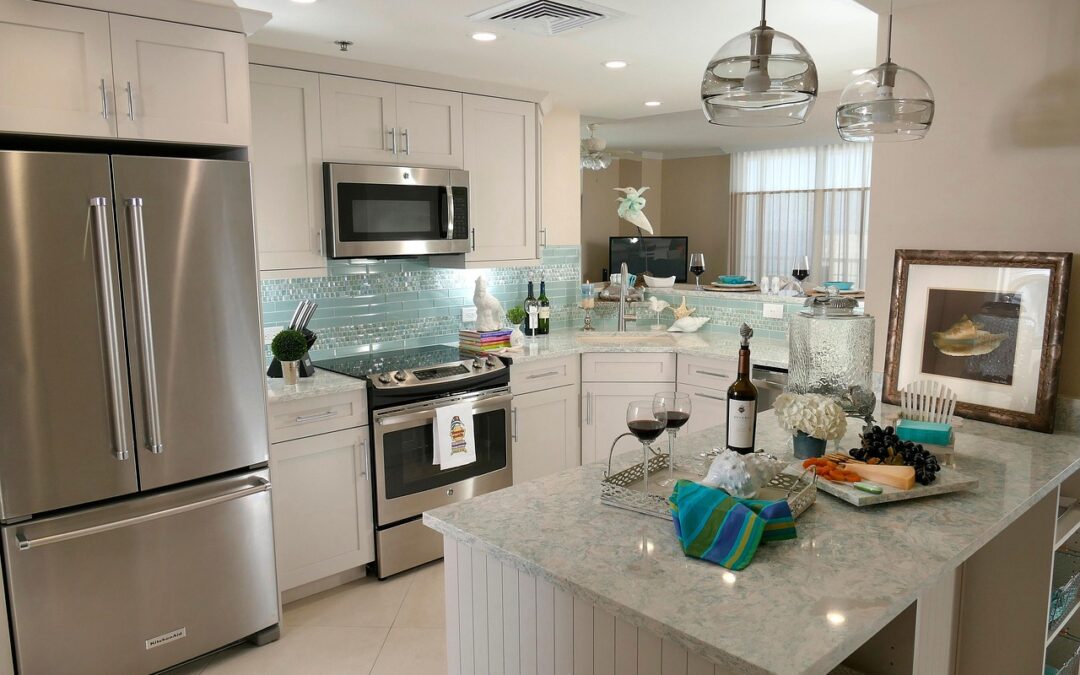
Living in a coastal city like Morehead City naturally influences kitchen design, blending relaxed elegance with functionality. Coastal-inspired kitchen remodeling ideas emphasize light, airy spaces that connect seamlessly with the surrounding environment. Whitewashed cabinets, soft blues, and sandy neutrals dominate palettes, creating a sense of openness and calm that reflects the shoreline.

Open shelving is another hallmark of coastal kitchens, providing both style and accessibility. Instead of bulky upper cabinets, many homeowners are opting for floating shelves that showcase beautiful dishware and glassware while making the space feel expansive. Pairing these shelves with a neutral backsplash, subtle textures, and natural wood elements can instantly enhance the coastal vibe.

Lighting plays a crucial role in creating the perfect coastal atmosphere. Pendant lights over kitchen islands, especially in materials like rattan or glass, bring both functionality and character. In addition, large windows that allow natural light to flood the space further elevate the open and breezy feeling that defines Morehead City kitchens.

Countertop materials also reflect coastal preferences. Quartz and marble in light hues are popular for their durability and elegance, while butcher block accents add warmth and a touch of natural charm. For islands, homeowners are incorporating functional yet stylish features, such as built-in seating, wine racks, and even integrated cutting boards, all aligning with coastal living’s practical luxury.

Finally, coastal-inspired kitchen remodeling ideas include subtle nautical touches that add personality without overwhelming the space. Think soft seashell accents, brushed metal fixtures, or even coastal-themed artwork. These elements create a cohesive aesthetic that feels authentic to Morehead City’s coastal lifestyle while providing a timeless, serene environment.


Smart and Sustainable Kitchen Remodeling Ideas Gaining Momentum in Morehead City

Sustainability is more than a trend—it’s becoming a cornerstone of modern kitchen renovations. Homeowners in Morehead City are increasingly prioritizing kitchen remodeling ideas that minimize environmental impact while maximizing efficiency and comfort. Energy-efficient appliances, low-flow faucets, and LED lighting are just the beginning of a movement toward smarter, greener kitchens.

Cabinetry made from responsibly sourced wood or recycled materials is a growing favorite. These eco-friendly options provide durability without compromising style, and many come in finishes that complement coastal aesthetics. Similarly, countertops crafted from recycled glass or sustainable stone blends functionality with environmental consciousness, aligning with homeowners’ values and lifestyle choices.

Smart technology is also transforming kitchens, making them more efficient and user-friendly. Integrated smart ovens, app-controlled refrigerators, and voice-activated lighting allow homeowners to streamline meal prep, monitor energy usage, and reduce waste. Many Morehead City residents are pairing these advancements with intuitive kitchen layouts that optimize workflow, creating spaces that are as practical as they are beautiful.

Sustainability also extends to water management and waste reduction. Pull-out compost bins, dual-compartment recycling centers, and under-sink water filtration systems are increasingly incorporated into kitchen remodeling ideas for homes in the region. These features reflect a growing awareness of environmental stewardship while maintaining convenience and accessibility.

Another key trend is energy-efficient lighting design. Layered lighting—comprising task, ambient, and accent lights—reduces reliance on electricity while creating a warm and inviting atmosphere. Solar-powered or LED fixtures further enhance energy efficiency, supporting both sustainability goals and aesthetic appeal.

Ultimately, smart and sustainable kitchen remodeling ideas allow Morehead City homeowners to combine cutting-edge technology with environmental consciousness. The result is a kitchen that is modern, responsible, and built to last, offering long-term savings and a reduced ecological footprint.


Luxury Finishes and Custom Features Driving Kitchen Remodeling Ideas in 2026

For homeowners seeking opulence and personalization, luxury finishes and custom features are taking center stage in Morehead City’s kitchen renovations. High-end materials, bespoke cabinetry, and personalized design elements create spaces that are both elegant and functional, making luxury a key component of top kitchen remodeling ideas.

Cabinetry customization is a major trend. Homeowners are opting for built-in organizers, soft-close mechanisms, and unique storage solutions tailored to their lifestyle. From pull-out spice racks to concealed appliance garages, custom cabinets maximize space and convenience while maintaining a polished look.

Countertops are another area where luxury and functionality intersect. Marble, granite, and quartz surfaces dominate the landscape, with veining, texture, and color choices allowing for a truly personalized touch. Some homeowners are even opting for waterfall edges on islands, blending aesthetics with a sense of sophistication.

Hardware and fixtures are also seeing elevated attention. Matte black, brushed gold, and polished nickel finishes are particularly popular, adding bold yet refined accents. Paired with high-end sinks, faucets, and built-in water filtration systems, these elements bring both luxury and practicality to Morehead City kitchens.

Luxury kitchen remodeling ideas increasingly incorporate high-tech appliances that offer both performance and elegance. Professional-grade ranges, dual ovens, smart refrigerators, and integrated coffee systems cater to culinary enthusiasts who want a kitchen that performs as impressively as it looks.

Finally, attention to detail defines luxury. Crown molding, custom lighting fixtures, statement backsplashes, and carefully curated color palettes create a sense of cohesion and refinement. Every element, from flooring to hardware, works together to elevate the kitchen from functional to exceptional.


Space-Saving Kitchen Remodeling Ideas Perfect for Morehead City Living

Even in spacious coastal homes, maximizing kitchen efficiency is essential. Space-saving kitchen remodeling ideas are becoming increasingly popular in Morehead City, focusing on clever layouts and multifunctional elements that enhance usability without sacrificing style.

One common strategy is optimizing the kitchen triangle—the arrangement of the sink, stove, and refrigerator—for maximum workflow efficiency. Smart island designs, often with built-in storage, seating, and prep areas, allow for versatile use while keeping clutter at bay.

Vertical space is another key consideration. Tall cabinets, open shelving, and hanging pot racks make the most of available height, reducing the need for excessive countertop items. Pull-out pantry solutions, sliding drawers, and hidden storage compartments further enhance organization and accessibility.

Compact appliances also support space-saving renovations. Slim refrigerators, under-counter dishwashers, and induction cooktops allow for a streamlined layout while maintaining high functionality. Integrating these appliances into cabinetry ensures a cohesive, clutter-free aesthetic.

Lighting and reflective surfaces contribute to a sense of spaciousness. Bright, layered lighting, mirrored backsplashes, and light-colored finishes make kitchens appear larger while improving usability. These techniques complement the practical layout strategies central to space-saving kitchen remodeling ideas.

Ultimately, maximizing space allows Morehead City homeowners to enjoy kitchens that feel open, organized, and inviting. Thoughtful planning ensures functionality and flow, making every inch count.


Boosting Home Value With Strategic Kitchen Remodeling Ideas in Morehead City

A well-designed kitchen not only enhances lifestyle—it’s also a smart investment. Strategic kitchen remodeling ideas can significantly increase home value, making renovations in Morehead City both functional and financially savvy.

High-impact updates include modern cabinetry, durable countertops, energy-efficient appliances, and cohesive design elements. Homes with updated kitchens consistently attract higher resale value and faster offers, as buyers prioritize move-in-ready spaces with aesthetic appeal.

Focusing on timeless design choices—neutral colors, quality materials, and versatile layouts—ensures that your kitchen remodeling ideas remain appealing for years. While trends like bold backsplashes or statement lighting can add flair, incorporating them strategically allows for style updates without compromising long-term value.

Integrating smart technology, sustainable features, and luxury finishes can also elevate perceived value. Buyers are increasingly drawn to homes with energy-efficient appliances, water-saving fixtures, and eco-conscious materials, aligning renovation choices with market expectations.

Even smaller, cost-effective updates—such as updated hardware, new lighting, or refreshed flooring—can enhance appeal and contribute to home value. A thoughtful combination of minor and major improvements ensures maximum ROI for Morehead City homeowners.

By approaching renovations with value in mind, homeowners can enjoy both a beautiful, functional kitchen and the financial benefits of a smart investment. A strategic kitchen remodeling ideas plan transforms a renovation into a lasting legacy.


Conclusion: Transform Your Kitchen, Transform Your Home

The kitchens of 2026 in Morehead City, NC, are about more than cooking—they’re about lifestyle, comfort, efficiency, and value. From coastal-inspired aesthetics and sustainable upgrades to luxury finishes, smart layouts, and strategic renovations, the right kitchen remodeling ideas can redefine how you live and how your home performs.

Whether your goal is to create a serene coastal retreat, a tech-savvy culinary hub, or a luxurious family gathering space, the trends of 2026 provide endless inspiration. Thoughtful planning, personalized design, and attention to detail ensure that your kitchen is both beautiful and functional for years to come.

If you’re ready to bring these kitchen remodeling ideas to life, Call All Phase Custom Homes today to start your kitchen remodeling or update today at 252-503-3426. Your dream kitchen—and a transformed home—awaits.

All Phase Custom Homes

The Ultimate Building a House Checklist: 10 Things Every Carteret County Homeowner Must Know Before Breaking Ground

The Ultimate Building a House Checklist: 10 Things Every Carteret County Homeowner Must Know Before Breaking Ground

Building a House Checklist

Building your dream home is one of the most exciting journeys you’ll ever take. It’s the moment when vision turns into blueprints, and blueprints turn into something you and your family will live in, grow in, and make memories in for decades. But if you’re planning to build in Carteret County, North Carolina, there’s more to consider than paint colors and porch designs.

From coastal regulations and elevation requirements to budgeting realities and hurricane resilience, building near the Crystal Coast comes with unique opportunities—and responsibilities. That’s exactly why having a comprehensive building a house checklist isn’t optional. It’s essential.

This guide walks you through the most important things every Carteret County homeowner must know before breaking ground. Whether you’re building in Morehead City, Beaufort, Newport, Atlantic Beach, or surrounding communities, your building a house checklist will be your roadmap to success.

Let’s dive in.


Why Every Carteret County Dream Home Starts With a Smart Building a House Checklist

Before a single shovel hits the dirt, your dream home begins on paper—and in planning. A smart building a house checklist is the foundation of a successful construction project. Without it, even the most beautiful vision can quickly turn into confusion, delays, and unexpected costs.

In Carteret County, the stakes are even higher. Coastal properties require careful thought about location, elevation, soil conditions, flood zones, and environmental restrictions. Your building a house checklist should start with the land itself. Is the lot in a floodplain? What is the base flood elevation? Will additional fill dirt or pilings be required? These answers dramatically impact both design and budget.

Next, consider lifestyle planning. Are you building a primary residence, vacation home, or retirement retreat? Your checklist should include long-term considerations such as aging-in-place design, guest accommodations, storage for boats or fishing gear, and outdoor living spaces that take advantage of coastal breezes.

Your building a house checklist should also address utilities early in the process. Will you connect to municipal water and sewer, or will you need a well and septic system? Are there impact fees? Are there setbacks that limit where the home can sit on the lot? These details affect everything from layout to landscaping.

Another key element is timeline clarity. Many homeowners underestimate how long custom construction takes—especially when weather, inspections, and material lead times are involved. A thoughtful building a house checklist accounts for realistic timelines, helping you plan move-in dates and financing accordingly.

And let’s not forget design cohesion. Before meeting with architects or builders, clarify your must-haves versus your nice-to-haves. Your checklist should include square footage goals, number of bedrooms and bathrooms, preferred architectural style, energy-efficiency priorities, and future expansion possibilities.

When you begin with a detailed building a house checklist, you’re not just organizing tasks—you’re protecting your investment, reducing stress, and ensuring your dream home truly reflects your vision. In Carteret County, preparation isn’t just smart. It’s strategic.


Understanding Coastal Regulations and Permits Through a Local Building a House Checklist

Carteret County’s coastal beauty is unmatched—but it comes with strict regulations designed to protect both homeowners and the environment. Your building a house checklist must prioritize understanding local rules before construction begins.

First, zoning and land-use regulations matter. Each municipality within the county has specific guidelines regarding setbacks, height restrictions, lot coverage, and usage classifications. A comprehensive building a house checklist includes verifying zoning compliance before finalizing home design.

Then there’s CAMA—the Coastal Area Management Act. Many properties near water require CAMA permits before development. If your lot borders wetlands, estuarine waters, or the oceanfront, your building a house checklist must include reviewing CAMA regulations and securing necessary approvals.

Flood zone determination is another critical step. FEMA flood maps identify risk areas, and homes in high-risk zones must meet strict elevation standards. Your checklist should include ordering an elevation certificate and understanding how it impacts insurance premiums and foundation design.

Speaking of insurance, wind and flood insurance are essential in Carteret County. Your building a house checklist should factor in projected insurance costs based on elevation, construction type, and roof design. Features such as impact-resistant windows and reinforced roofing may reduce premiums while enhancing safety.

Permitting processes also vary depending on location. Building permits, septic permits, driveway permits, and erosion control approvals may all be required. Delays often occur when paperwork isn’t properly submitted, so your building a house checklist should outline permit timelines and inspection schedules.

Environmental considerations also play a role. Coastal soil conditions may require specialized foundation systems. In some areas, tree removal restrictions apply. Stormwater management rules may dictate grading and drainage design.

By embedding regulatory awareness into your building a house checklist, you avoid costly redesigns and frustrating delays. In coastal North Carolina, knowledge isn’t just power—it’s prevention.


Budgeting for Success: Financial Planning Inside Your Building a House Checklist

One of the biggest mistakes future homeowners make is underestimating total project costs. A well-structured building a house checklist protects you from financial surprises.

Start with land acquisition costs, including closing fees and potential site preparation expenses. Coastal lots often require clearing, grading, soil testing, and possibly elevated foundations. Your building a house checklist should include a line item for site development before construction even begins.

Construction costs fluctuate based on materials, labor demand, and customization level. Work with local professionals who understand Carteret County pricing trends. Include allowances in your checklist for cabinetry, flooring, fixtures, and appliances.

Don’t forget “hidden” costs. Utility hookups, impact fees, landscaping, driveways, and decks often fall outside base construction quotes. A comprehensive building a house checklist accounts for these additions upfront.

Financing is equally important. Construction loans differ from traditional mortgages. Your checklist should include pre-approval, understanding draw schedules, and confirming contingency reserves. Experts recommend budgeting an additional 10–15% for unforeseen expenses.

Energy efficiency is another long-term financial consideration. Investing in insulation, high-efficiency HVAC systems, and durable coastal materials may cost more initially but reduce maintenance and utility bills over time. Your building a house checklist should balance short-term savings with long-term value.

Smart budgeting within your building a house checklist ensures your dream home enhances your lifestyle—not your stress level.


Choosing the Right Builder Using a Proven Building a House Checklist Strategy

Your builder will shape your entire experience. Selecting the right one should be a major component of your building a house checklist.

Start by researching local experience. Coastal construction is different from inland building. Your checklist should include verifying licenses, insurance coverage, and a portfolio of completed Carteret County projects.

References matter. Speak directly with past clients. Ask about communication, timeliness, budget adherence, and problem-solving. A detailed building a house checklist ensures you compare builders objectively rather than emotionally.

Transparency is key. Review contracts carefully. Confirm what’s included—and what’s not. Your checklist should outline warranty coverage, change order procedures, and payment schedules.

Communication style also plays a huge role. Building a home involves hundreds of decisions. Your building a house checklist should include evaluating how responsive and organized your builder is during early meetings.

Ultimately, the right builder doesn’t just construct your house—they guide your journey. A strategic building a house checklist helps you choose wisely and confidently.


Protecting Your Investment With a Storm-Ready Building a House Checklist

Living in Carteret County means embracing coastal weather—including hurricanes. A storm-conscious building a house checklist safeguards your investment.

Foundation design is critical. Elevated construction may be required in flood-prone areas. Reinforced pilings or engineered slabs enhance structural stability.

Roofing systems should be rated for high winds. Metal roofs and architectural shingles designed for hurricane zones should be included in your building a house checklist.

Impact-resistant windows and doors provide protection against flying debris. Proper sealing reduces water intrusion during heavy storms.

Drainage planning is equally important. Your checklist should address grading, gutters, and stormwater runoff management to prevent flooding around the home.

Landscaping choices also matter. Native coastal plants are more resilient and require less maintenance.

When your building a house checklist prioritizes storm readiness, you’re building confidence—not just a house.


Conclusion: Build Smart. Build Confidently. Build With the Right Plan.

Building your dream home in Carteret County is an incredible opportunity. But success doesn’t happen by accident—it happens through preparation.

A detailed, thoughtful, and locally informed building a house checklist transforms uncertainty into clarity. It helps you navigate regulations, manage finances, choose the right builder, and protect your investment from coastal challenges.

The difference between stress and satisfaction often comes down to planning.

If you’re ready to take the next step and want expert guidance tailored to Carteret County’s unique coastal environment, Call All Phase Custom Homes today at 252-503-3426 .

Your dream home deserves a smart start—and the right team to bring it to life

All Phase Custom Homes