Building a House Checklist
Building your dream home is one of the most exciting journeys you’ll ever take. It’s the moment when vision turns into blueprints, and blueprints turn into something you and your family will live in, grow in, and make memories in for decades. But if you’re planning to build in Carteret County, North Carolina, there’s more to consider than paint colors and porch designs.
From coastal regulations and elevation requirements to budgeting realities and hurricane resilience, building near the Crystal Coast comes with unique opportunities—and responsibilities. That’s exactly why having a comprehensive building a house checklist isn’t optional. It’s essential.
This guide walks you through the most important things every Carteret County homeowner must know before breaking ground. Whether you’re building in Morehead City, Beaufort, Newport, Atlantic Beach, or surrounding communities, your building a house checklist will be your roadmap to success.
Let’s dive in.
Why Every Carteret County Dream Home Starts With a Smart Building a House Checklist
Before a single shovel hits the dirt, your dream home begins on paper—and in planning. A smart building a house checklist is the foundation of a successful construction project. Without it, even the most beautiful vision can quickly turn into confusion, delays, and unexpected costs.
In Carteret County, the stakes are even higher. Coastal properties require careful thought about location, elevation, soil conditions, flood zones, and environmental restrictions. Your building a house checklist should start with the land itself. Is the lot in a floodplain? What is the base flood elevation? Will additional fill dirt or pilings be required? These answers dramatically impact both design and budget.
Next, consider lifestyle planning. Are you building a primary residence, vacation home, or retirement retreat? Your checklist should include long-term considerations such as aging-in-place design, guest accommodations, storage for boats or fishing gear, and outdoor living spaces that take advantage of coastal breezes.
Your building a house checklist should also address utilities early in the process. Will you connect to municipal water and sewer, or will you need a well and septic system? Are there impact fees? Are there setbacks that limit where the home can sit on the lot? These details affect everything from layout to landscaping.
Another key element is timeline clarity. Many homeowners underestimate how long custom construction takes—especially when weather, inspections, and material lead times are involved. A thoughtful building a house checklist accounts for realistic timelines, helping you plan move-in dates and financing accordingly.
And let’s not forget design cohesion. Before meeting with architects or builders, clarify your must-haves versus your nice-to-haves. Your checklist should include square footage goals, number of bedrooms and bathrooms, preferred architectural style, energy-efficiency priorities, and future expansion possibilities.
When you begin with a detailed building a house checklist, you’re not just organizing tasks—you’re protecting your investment, reducing stress, and ensuring your dream home truly reflects your vision. In Carteret County, preparation isn’t just smart. It’s strategic.
Understanding Coastal Regulations and Permits Through a Local Building a House Checklist
Carteret County’s coastal beauty is unmatched—but it comes with strict regulations designed to protect both homeowners and the environment. Your building a house checklist must prioritize understanding local rules before construction begins.
First, zoning and land-use regulations matter. Each municipality within the county has specific guidelines regarding setbacks, height restrictions, lot coverage, and usage classifications. A comprehensive building a house checklist includes verifying zoning compliance before finalizing home design.
Then there’s CAMA—the Coastal Area Management Act. Many properties near water require CAMA permits before development. If your lot borders wetlands, estuarine waters, or the oceanfront, your building a house checklist must include reviewing CAMA regulations and securing necessary approvals.
Flood zone determination is another critical step. FEMA flood maps identify risk areas, and homes in high-risk zones must meet strict elevation standards. Your checklist should include ordering an elevation certificate and understanding how it impacts insurance premiums and foundation design.
Speaking of insurance, wind and flood insurance are essential in Carteret County. Your building a house checklist should factor in projected insurance costs based on elevation, construction type, and roof design. Features such as impact-resistant windows and reinforced roofing may reduce premiums while enhancing safety.
Permitting processes also vary depending on location. Building permits, septic permits, driveway permits, and erosion control approvals may all be required. Delays often occur when paperwork isn’t properly submitted, so your building a house checklist should outline permit timelines and inspection schedules.
Environmental considerations also play a role. Coastal soil conditions may require specialized foundation systems. In some areas, tree removal restrictions apply. Stormwater management rules may dictate grading and drainage design.
By embedding regulatory awareness into your building a house checklist, you avoid costly redesigns and frustrating delays. In coastal North Carolina, knowledge isn’t just power—it’s prevention.
Budgeting for Success: Financial Planning Inside Your Building a House Checklist
One of the biggest mistakes future homeowners make is underestimating total project costs. A well-structured building a house checklist protects you from financial surprises.
Start with land acquisition costs, including closing fees and potential site preparation expenses. Coastal lots often require clearing, grading, soil testing, and possibly elevated foundations. Your building a house checklist should include a line item for site development before construction even begins.
Construction costs fluctuate based on materials, labor demand, and customization level. Work with local professionals who understand Carteret County pricing trends. Include allowances in your checklist for cabinetry, flooring, fixtures, and appliances.
Don’t forget “hidden” costs. Utility hookups, impact fees, landscaping, driveways, and decks often fall outside base construction quotes. A comprehensive building a house checklist accounts for these additions upfront.
Financing is equally important. Construction loans differ from traditional mortgages. Your checklist should include pre-approval, understanding draw schedules, and confirming contingency reserves. Experts recommend budgeting an additional 10–15% for unforeseen expenses.
Energy efficiency is another long-term financial consideration. Investing in insulation, high-efficiency HVAC systems, and durable coastal materials may cost more initially but reduce maintenance and utility bills over time. Your building a house checklist should balance short-term savings with long-term value.
Smart budgeting within your building a house checklist ensures your dream home enhances your lifestyle—not your stress level.
Choosing the Right Builder Using a Proven Building a House Checklist Strategy
Your builder will shape your entire experience. Selecting the right one should be a major component of your building a house checklist.
Start by researching local experience. Coastal construction is different from inland building. Your checklist should include verifying licenses, insurance coverage, and a portfolio of completed Carteret County projects.
References matter. Speak directly with past clients. Ask about communication, timeliness, budget adherence, and problem-solving. A detailed building a house checklist ensures you compare builders objectively rather than emotionally.
Transparency is key. Review contracts carefully. Confirm what’s included—and what’s not. Your checklist should outline warranty coverage, change order procedures, and payment schedules.
Communication style also plays a huge role. Building a home involves hundreds of decisions. Your building a house checklist should include evaluating how responsive and organized your builder is during early meetings.
Ultimately, the right builder doesn’t just construct your house—they guide your journey. A strategic building a house checklist helps you choose wisely and confidently.
Protecting Your Investment With a Storm-Ready Building a House Checklist
Living in Carteret County means embracing coastal weather—including hurricanes. A storm-conscious building a house checklist safeguards your investment.
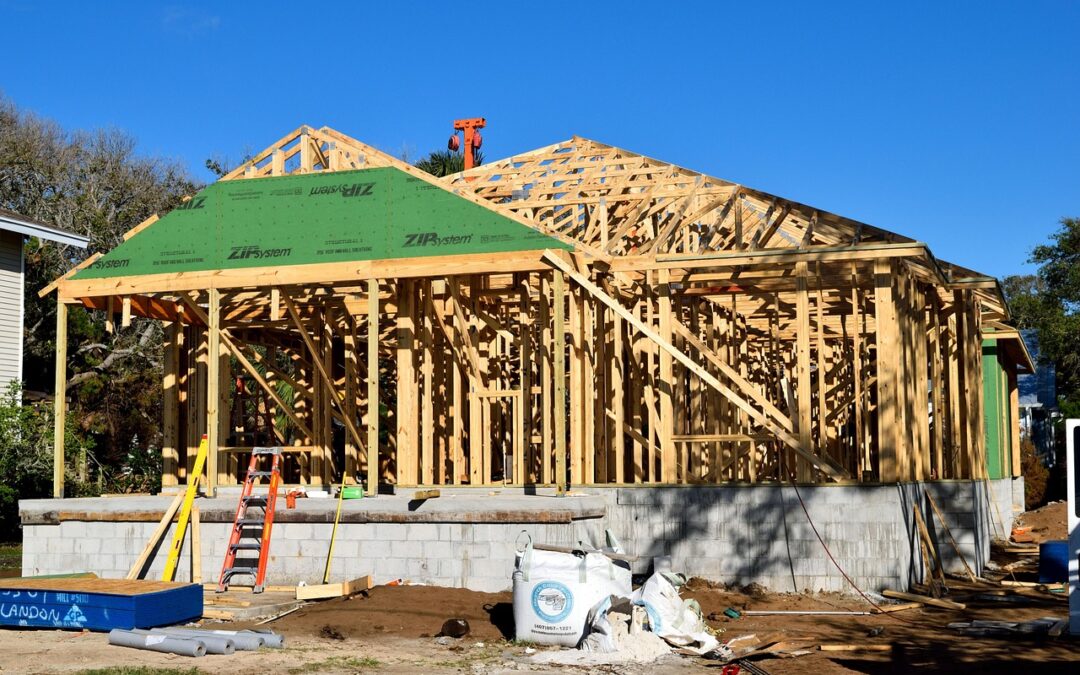
Foundation design is critical. Elevated construction may be required in flood-prone areas. Reinforced pilings or engineered slabs enhance structural stability.
Roofing systems should be rated for high winds. Metal roofs and architectural shingles designed for hurricane zones should be included in your building a house checklist.
Impact-resistant windows and doors provide protection against flying debris. Proper sealing reduces water intrusion during heavy storms.
Drainage planning is equally important. Your checklist should address grading, gutters, and stormwater runoff management to prevent flooding around the home.
Landscaping choices also matter. Native coastal plants are more resilient and require less maintenance.
When your building a house checklist prioritizes storm readiness, you’re building confidence—not just a house.
Conclusion: Build Smart. Build Confidently. Build With the Right Plan.
Building your dream home in Carteret County is an incredible opportunity. But success doesn’t happen by accident—it happens through preparation.
A detailed, thoughtful, and locally informed building a house checklist transforms uncertainty into clarity. It helps you navigate regulations, manage finances, choose the right builder, and protect your investment from coastal challenges.
The difference between stress and satisfaction often comes down to planning.
If you’re ready to take the next step and want expert guidance tailored to Carteret County’s unique coastal environment, Call All Phase Custom Homes today at 252-503-3426 .
Your dream home deserves a smart start—and the right team to bring it to life