Energy Efficient Siding
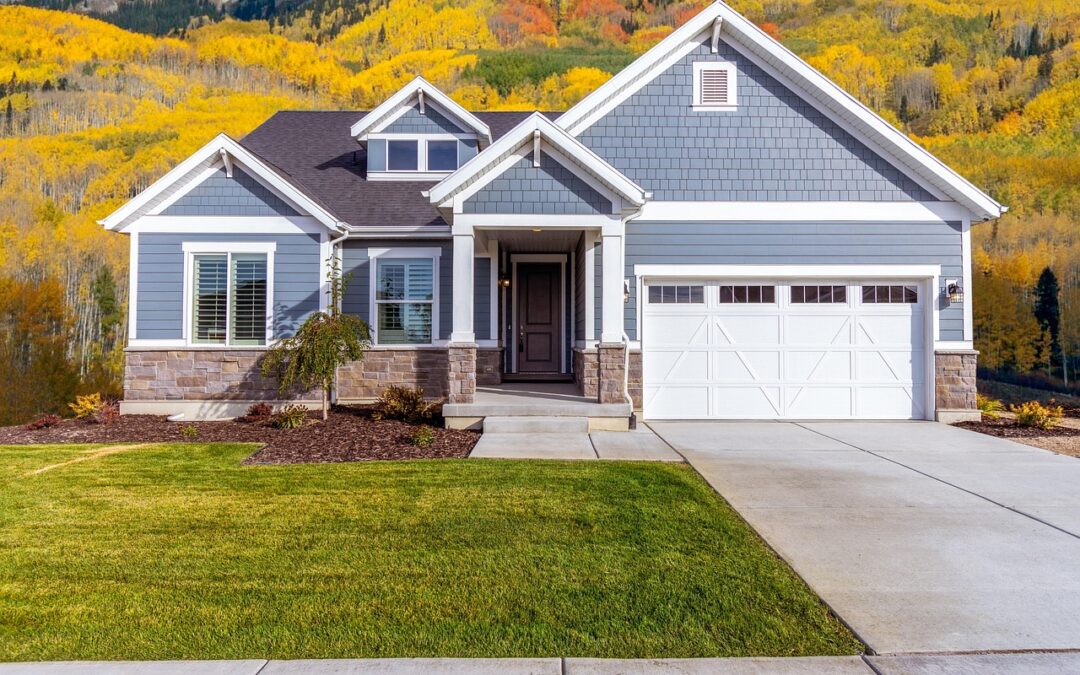
If you’ve been looking for ways to reduce your energy bills without sacrificing comfort or style, investing in energy efficient siding might be the solution you didn’t know you needed. Siding is more than just the exterior face of your home—it plays a crucial role in insulation, energy conservation, and long-term savings. With utility costs rising and homeowners increasingly prioritizing sustainable living, upgrading to energy-efficient siding has become one of the smartest home improvement decisions in 2026.
From improving insulation to selecting the right materials and maintaining peak performance, energy-efficient siding can transform your home into a cost-saving powerhouse. In this article, we’ll explore the top benefits, the best siding options, seasonal impacts on your energy bills, investment considerations, and essential maintenance tips. By the end, you’ll understand why this upgrade is more than cosmetic—it’s financial savvy.
How Energy Efficient Siding Improves Home Insulation and Cuts Heating Costs
One of the primary ways energy efficient siding saves homeowners money is through improved insulation. Siding acts as a protective barrier, reducing heat transfer between the interior and exterior of your home. During the colder months, poorly insulated walls allow warm air to escape, forcing your heating system to work harder and increasing energy bills. Energy-efficient siding helps retain heat, keeping your home warmer with less reliance on heaters and furnaces.
Modern insulated siding often includes layers of foam or other insulating materials that complement your home’s existing wall structure. These layers can significantly enhance the R-value—the measure of insulation efficiency—of your walls. Higher R-values directly correlate with better thermal performance, meaning your home stays warm longer while using less energy.
Additionally, energy efficient siding reduces drafts, one of the main culprits behind high heating costs. Gaps, cracks, and outdated siding can allow cold air to infiltrate, undermining even the best heating system. By replacing old siding with energy-efficient options, homeowners in 2026 can create a tighter, more controlled indoor environment.
It’s not just about money savings; improved insulation contributes to comfort and overall home value. Rooms stay warmer near exterior walls, uneven heating is minimized, and the need for supplemental heating sources diminishes. Over time, these benefits add up, reducing both monthly energy bills and the wear-and-tear on heating equipment.
In colder climates or coastal areas, where temperature fluctuations are common, investing in energy efficient siding can result in annual energy savings of 15–25% or more. Pairing the siding upgrade with energy-efficient windows and doors amplifies the effect, creating a comprehensive insulation strategy that protects your home year-round.
Top Energy Efficient Siding Materials That Maximize Savings in 2026
Selecting the right siding material is critical to maximizing energy efficiency and cost savings. Several high-performance materials have emerged as favorites in 2026, combining durability, aesthetic appeal, and thermal performance.
Vinyl siding with insulation backing is among the most popular options. This type of siding includes a foam core that enhances insulation and prevents thermal bridging, which occurs when heat bypasses the siding through gaps or framing. Vinyl is also low-maintenance, resistant to rot and pests, and comes in various colors and styles, making it a versatile choice for homeowners looking to combine energy efficiency with curb appeal.
Fiber cement siding is another standout. While slightly more expensive than vinyl, fiber cement offers excellent durability and moderate insulation properties. It resists fire, moisture, and termites, making it ideal for coastal or humid regions. When paired with additional insulating layers, fiber cement siding can rival vinyl in energy efficiency while offering a more traditional, upscale aesthetic.
Engineered wood siding provides both style and sustainability. Many engineered wood products are treated with protective coatings and reinforced with composite materials, improving their thermal performance. Homeowners appreciate the natural wood look without the extensive maintenance requirements of real wood.
Metal siding with insulated panels is gaining traction in modern and industrial-style homes. Aluminum or steel panels with insulating foam cores can reduce heat transfer significantly while offering sleek, contemporary aesthetics. Metal siding is particularly effective when installed with reflective coatings that reduce solar heat absorption, further lowering cooling costs in warmer climates.
Finally, homeowners can explore insulated vinyl shakes or lap siding that combines traditional design with superior energy performance. These materials are often eligible for energy-efficiency rebates or tax incentives, making them a smart financial choice in addition to their environmental benefits.
In 2026, choosing the right energy efficient siding material is as much about long-term savings as it is about aesthetics. Proper selection ensures maximum insulation, durability, and return on investment.
The Role of Energy Efficient Siding in Lowering Cooling Bills During Summer
Energy-efficient siding isn’t just for winter—its impact on cooling costs is equally impressive. During the summer months, homes absorb heat through exterior walls, causing air conditioning systems to work harder to maintain a comfortable temperature. Upgrading to energy efficient siding helps reflect heat and reduce thermal gain, keeping interiors cooler and lowering energy consumption.
Materials such as insulated vinyl, fiber cement, and reflective metal siding act as barriers that limit heat penetration. Some siding products include reflective coatings that deflect sunlight, further reducing the energy load on your HVAC system. These features are especially valuable in regions with long, hot summers, where cooling costs can account for a significant portion of annual utility expenses.
Additionally, energy-efficient siding reduces hot spots and uneven temperatures inside the home. By creating a consistent barrier across exterior walls, it prevents certain rooms from overheating while others remain cooler, enhancing overall comfort. A well-insulated and properly installed siding system minimizes the frequency and intensity of air conditioning use, translating into tangible savings.
Coupled with other energy-efficient measures such as ceiling fans, proper attic insulation, and programmable thermostats, energy efficient siding becomes a cornerstone of a holistic home cooling strategy. Over time, homeowners can see reductions in their summer energy bills ranging from 10–20%, depending on the material, installation quality, and local climate.
Beyond savings, energy-efficient siding contributes to environmental sustainability by lowering overall energy demand. Fewer cooling cycles mean reduced greenhouse gas emissions and a smaller carbon footprint, aligning with the growing trend of eco-conscious home improvements in 2026.
Cost vs. Benefits: Evaluating Energy Efficient Siding Investments for Your Home
Investing in energy efficient siding requires careful consideration of costs, benefits, and long-term savings. While initial installation can be significant, the payoff comes through reduced energy bills, enhanced home value, and increased durability.
Installation costs vary depending on the material, home size, and complexity of the project. Vinyl tends to be the most affordable option, while fiber cement and metal siding carry higher upfront costs but offer superior longevity and performance. Homeowners should calculate expected energy savings over time to determine ROI. On average, energy-efficient siding can reduce utility bills by 15–25%, which often offsets the investment within a few years.
Beyond energy savings, energy efficient siding enhances curb appeal and resale value. Modern materials and stylish designs make homes more attractive to buyers, and energy-efficient upgrades are increasingly sought-after features in the real estate market. In some cases, homeowners may qualify for rebates, tax incentives, or utility programs that further improve the financial outcome.
Another consideration is durability. Many energy-efficient siding options are resistant to weather damage, rot, and pests, meaning fewer repairs and maintenance costs over the long term. This factor alone can make siding upgrades financially sensible, even before accounting for energy savings.
Ultimately, the decision to install energy-efficient siding should balance upfront investment with anticipated energy savings, aesthetic improvements, and increased home value. Proper planning, professional installation, and material selection ensure that the benefits outweigh the costs, making this upgrade a wise choice for 2026 homeowners.
Maintenance Tips to Keep Your Energy Efficient Siding Performing at Its Best
To maximize the benefits of energy efficient siding, consistent maintenance is essential. Proper care ensures that insulation performance remains optimal, energy bills stay low, and the siding continues to protect your home effectively.
Regular cleaning is the first step. Vinyl, fiber cement, and metal siding can accumulate dirt, mold, and debris over time, which may reduce reflectivity or cause wear. Using a mild detergent and a soft brush or pressure washer keeps siding clean and visually appealing.
Inspect your siding at least twice a year for cracks, gaps, or loose panels. Even small imperfections can compromise insulation performance and lead to heat loss or moisture infiltration. Promptly addressing minor issues prevents more extensive damage that can affect energy efficiency.
Trimming vegetation and keeping gutters in good condition also protect siding performance. Overgrown shrubs or trees can trap moisture against the siding, accelerating deterioration. Proper drainage prevents water-related insulation issues, maintaining consistent energy savings.
Check for sealant and caulking integrity around windows, doors, and corners. Over time, these materials can degrade, creating gaps that allow air infiltration. Reapplying caulk or sealant ensures a tight barrier that complements your energy efficient siding.
Finally, follow manufacturer recommendations for repainting or refinishing (if applicable). Some siding materials benefit from periodic treatments that restore reflective coatings or protective finishes, preserving both aesthetic appeal and energy performance.
By following these maintenance practices, homeowners ensure that their energy-efficient siding continues to deliver maximum insulation, lower utility bills, and long-term value.
Conclusion: Save Energy, Save Money, and Upgrade Your Home
Energy-efficient siding is more than a cosmetic improvement—it’s a practical, cost-saving investment that pays dividends year-round. From improving insulation and lowering heating bills in winter to reducing cooling costs in summer, the benefits of energy efficient siding are clear. With the right materials, installation, and maintenance, homeowners can enjoy enhanced comfort, lower utility bills, and increased home value.
If you’re ready to take action and start saving, Call All Phase Custom Homes today at 252-503-3426 to get a free estimate on siding replacement. Upgrade your home with energy-efficient siding and start experiencing the benefits in 2026 and beyond.